The Myth of the “Fire-Resisting Corridor”: What’s Hiding Above Your Ceiling?
In many high-rise residential buildings and blocks of flats, there is a dangerous assumption: if a corridor has solid walls, fire doors, and compliant signage, it is a safe, fire-resisting space.
However, at MAF Associates, our compartmentation surveys frequently reveal a startling reality. The “fire line” often stops exactly where you stop looking at the suspended ceiling.
Out of Sight, Out of Mind
Suspended ceilings are rarely designed to be part of a building’s fire-resisting construction. They are usually architectural or acoustic features used to hide services like cable trays, pipework, and ductwork.
Once you remove a ceiling tile, the illusion of safety often vanishes. We frequently find that the fire compartment walls do not extend to the structural slab above, leaving massive, unprotected voids. These voids can allow fire and smoke to bypass fire doors and walls entirely, spreading through the building long before the visible “fire-resisting” structures fail.
The Danger of Unprotected Steel
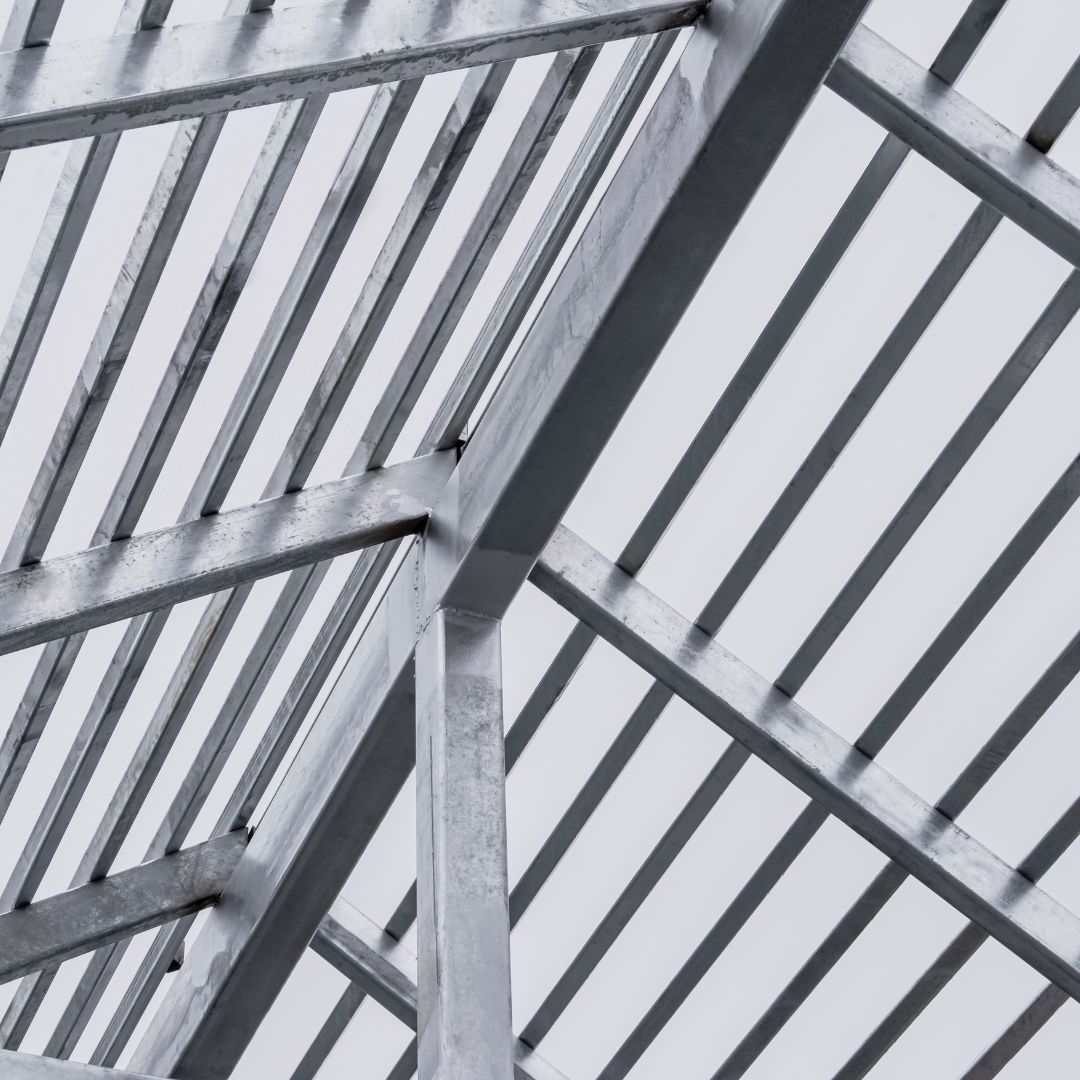
One of the most critical defects we encounter is unprotected primary steelwork hidden within these voids. Because we utilise in-house structural engineering expertise, we can identify when primary beams or columns pass through compartment lines without any fire protection.
In the event of a fire, unprotected steel rapidly loses its strength. This doesn’t just encourage fire spread; it can lead to local or even progressive structural failure, completely undermining the building’s original fire strategy.
How Compartmentation Erodes Over Time
Even if a building was compliant when first built, years of maintenance and upgrades often erode its safety. We see this through:
- New Service Installations: New pipes or wires poked through walls without proper fire stopping.
- ICT and Security Upgrades: Cables for cameras or internet that create new penetrations.
- Refurbishments: Reactive maintenance that focuses on the visible space but ignores the void above.
What was once a protected escape route can slowly turn into a continuous, concealed path for fire. These are the kinds of issues our fire consultancy team encounter regularly, combining structural knowledge with hands-on inspection to reveal hidden risks.
Why This Matters for Life Safety
Corridors are the primary means of escape for residents. If smoke enters these spaces through hidden voids, they can quickly become untenable, which is life-threatening for vulnerable occupants or during extended evacuations.
Because these failures are invisible during routine, non-intrusive inspections, they often go unnoticed until it is too late.
Looking Beyond the Ceiling
A corridor is not fire-resisting just because it looks robust. True safety requires a multi-disciplinary approach that includes:
- Intrusive Assessments: Physically opening up ceilings to see what lies above.
- Structural Knowledge: Understanding the role of hidden steelwork and its protection requirements.
- Informed Risk Interpretation: Moving away from “assuming compliance” and toward verifying it through expert inspection.
At MAF Associates, we look beyond visible construction to assess how a building will actually perform in a fire. Our work spans from external wall safety to detailed compartmentation surveys, helping dutyholders take proportionate action to protect life and property.