Could Winter Heating Upgrades Affect Your Building’s Fire Compartmentation?
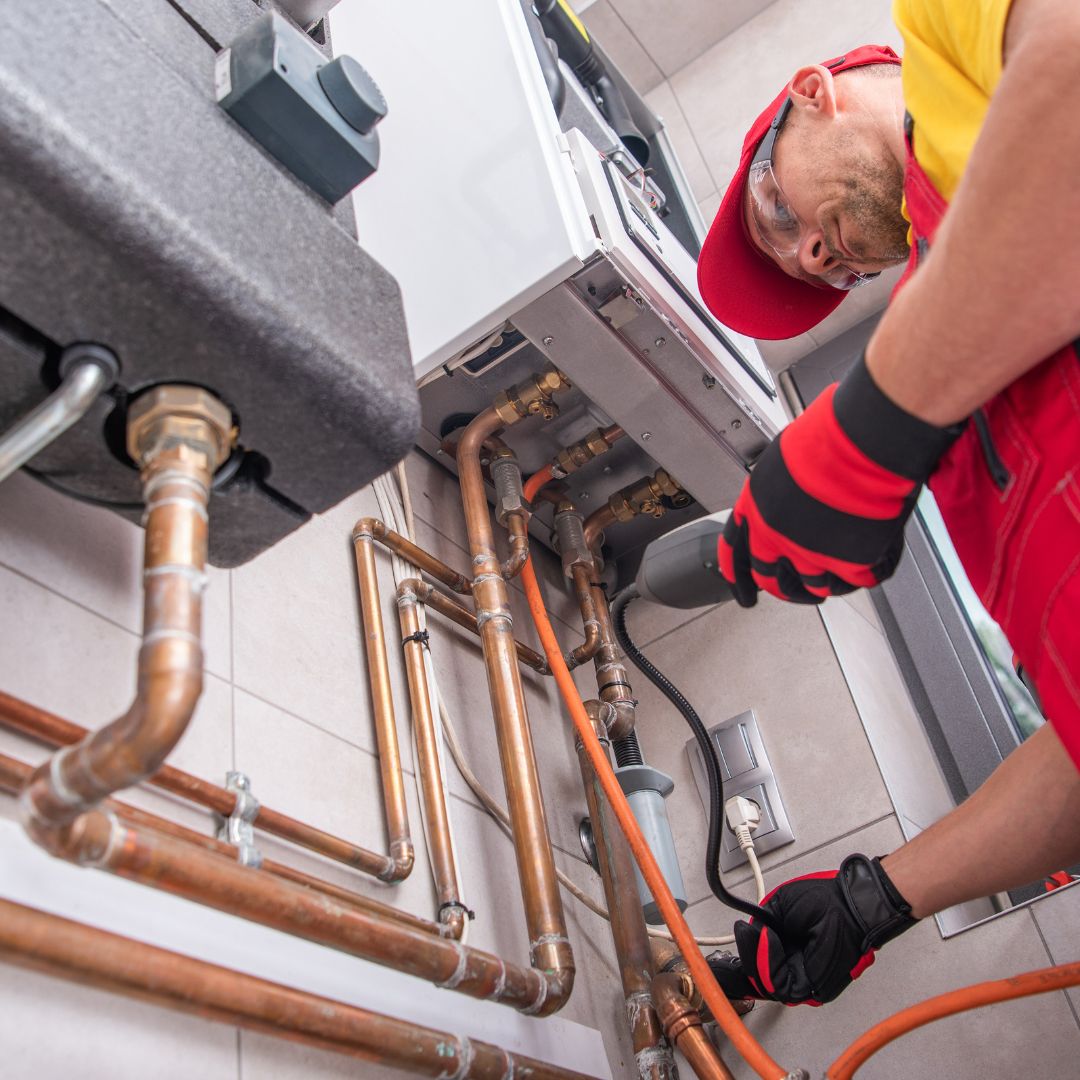
As temperatures drop across the UK, heating systems become a priority for building owners and property managers. Boilers are switched on, maintenance issues become more noticeable, and older equipment may need repairing or replacing.
While keeping buildings warm and comfortable is important, heating maintenance can sometimes involve work that affects existing fire protection measures.
From installing new pipework to replacing boilers and ventilation equipment, even relatively straightforward upgrades can have implications for a building’s fire compartmentation if the work is not carried out correctly.
How Can Heating Work Affect Fire Compartmentation?
Fire compartmentation helps restrict the spread of fire and smoke through a building by dividing it into separate fire resisting areas.
Walls, floors and other protective elements are designed to maintain fire resistance for a specified period. However, heating installations often require pipes, cables and ventilation ducts to pass through these barriers.
When new openings are created, they need to be appropriately fire stopped to maintain the intended fire resistance.
For example, replacing an older boiler may involve installing new pipework through a compartment wall. If the opening around the pipe is left unsealed, or an unsuitable fire stopping product is used, it could compromise the performance of that barrier.
The same considerations apply when existing services are removed or relocated.
What About Older Heating Installations?
In older buildings, heating systems may have been modified several times over the years.
Previous contractors might have installed additional pipework, changed ventilation arrangements or removed redundant services.
While the heating system itself may operate correctly, these alterations can leave concealed openings or damaged fire stopping within walls and floors.
Such defects are not always visible during routine maintenance inspections.
Where there are concerns about the condition of concealed construction, intrusive opening up inspections can help establish whether fire protection measures remain intact.
Don’t Overlook Plant Rooms and Service Areas
Plant rooms, boiler rooms and service cupboards often contain a concentration of mechanical and electrical equipment.
These areas may have multiple service penetrations, making appropriate fire stopping particularly important where the surrounding construction forms part of a fire resisting compartment.
Building managers should also consider whether recent maintenance work has disturbed existing protection, including fire resisting boards, seals or other protective materials.
Where defects are identified, repairs should use suitable systems installed by competent contractors.
A Good Time to Review Previous Building Work
November is a useful time to consider whether recent heating repairs or upgrades have affected the building’s existing fire safety arrangements.
This does not mean every boiler replacement requires a specialist fire safety investigation. However, where work has involved penetrating fire resisting construction, it is important to establish that the necessary protection has been maintained or reinstated.
At MAF Associates, our fire engineering specialists support building owners and property managers through fire compartmentation surveys and intrusive investigations to help identify potential defects and inform remedial decisions.
Keeping heating systems working efficiently is essential during winter, but ensuring that maintenance work does not compromise the building’s fire protection is just as important.