Fire Safety for Landlords in 2026: What You Need to Know
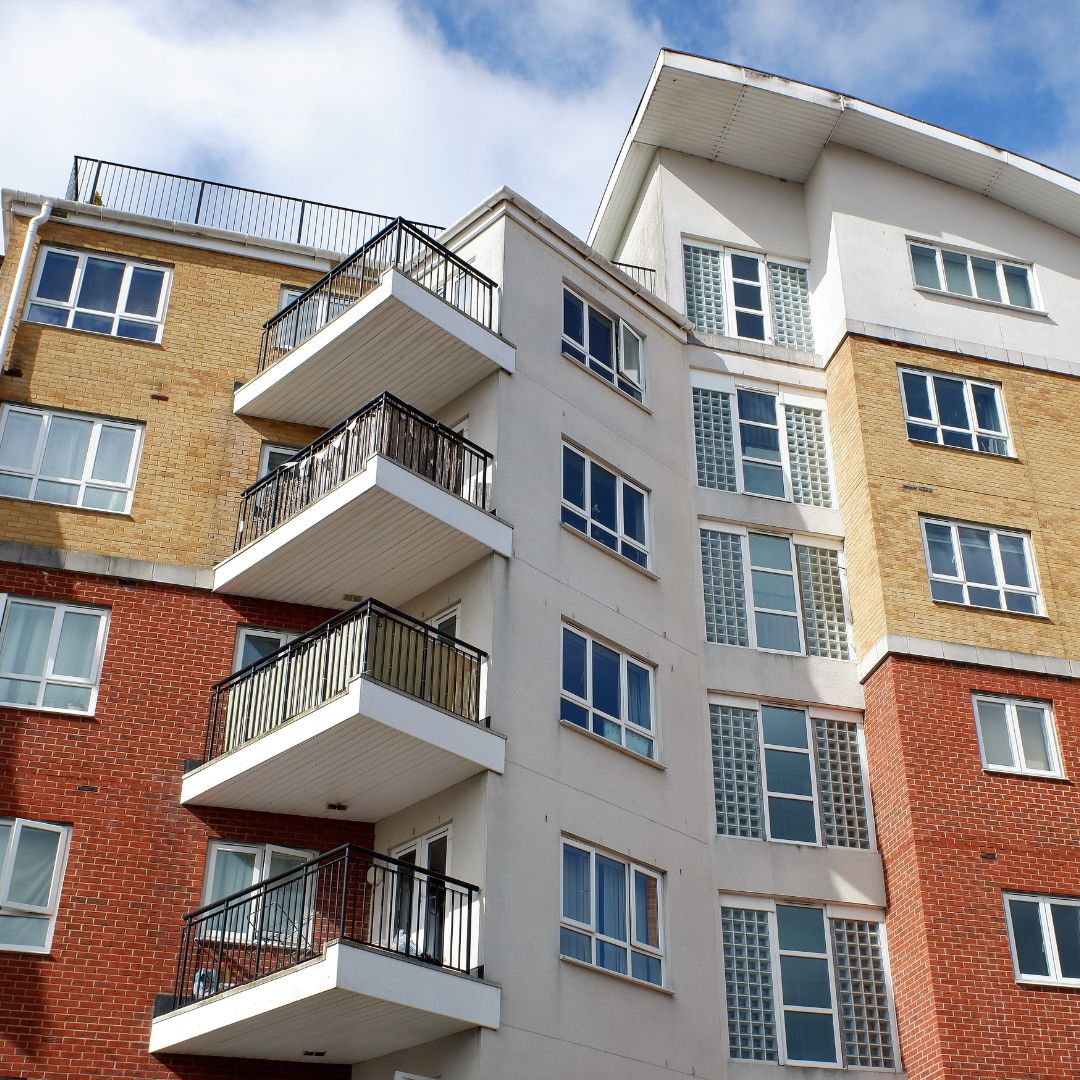
Fire safety remains one of the most important responsibilities for landlords across the UK. While maintaining a property and finding reliable tenants are often high on the priority list, protecting people from the risk of fire should never be overlooked.
A fire can spread in minutes, causing significant damage to property and, more importantly, putting lives at risk. For landlords, understanding and meeting fire safety obligations is essential for protecting tenants, remaining compliant with legislation, and reducing the likelihood of costly incidents.
Whether you own a single buy to let property or manage a larger portfolio, taking a proactive approach to fire safety is one of the most effective ways to safeguard both your tenants and your investment.
Why Fire Safety Matters
Fire safety is about far more than complying with regulations. It is about creating a safe living environment where tenants can feel secure in their homes.
Residential fires can be caused by a wide range of factors, including faulty electrical systems, cooking accidents, overloaded sockets, heating appliances, and smoking materials. While some risks cannot be completely eliminated, many can be significantly reduced through proper planning, maintenance, and ongoing management.
Landlords who prioritise fire safety often benefit from:
- Reduced risk of property damage
- Improved tenant safety and wellbeing
- Greater protection against legal action
- Lower likelihood of costly repairs and insurance claims
- Increased confidence in their property management practices
Understanding Your Legal Responsibilities
Landlords have a duty to ensure their properties are reasonably safe from fire risks. Various pieces of legislation place responsibilities on property owners and managers to identify hazards and implement appropriate fire safety measures.
The exact requirements can vary depending on the type of property, its size, occupancy levels, and whether it is a single-family dwelling or a House in Multiple Occupation (HMO).
Failing to meet legal obligations can result in enforcement action, fines, prosecution, or restrictions on the use of the property.
Because regulations can evolve over time, landlords should regularly review current guidance and seek professional advice where necessary.
Carry Out Regular Fire Risk Assessments
One of the most effective ways to manage fire safety is through a fire risk assessment.
A fire risk assessment helps identify potential hazards, evaluate who may be at risk, and determine what measures are required to reduce the likelihood of a fire occurring.
Key areas often reviewed include:
- Sources of ignition such as electrical equipment and heating systems
- Potential fuel sources including furniture, waste materials, and stored items
- Means of escape from the property
- Fire detection and warning systems
- Emergency lighting where applicable
- Fire-resistant construction and compartmentation
A fire risk assessment should not be treated as a one-off exercise. It should be reviewed regularly and updated whenever significant changes are made to the property.
Smoke Alarms and Carbon Monoxide Detection
Early warning systems play a crucial role in protecting occupants during a fire or carbon monoxide incident.
Landlords should ensure appropriate alarms are installed and maintained throughout their properties.
As a minimum, smoke alarms should be installed on every storey used as living accommodation. Carbon monoxide alarms should also be considered where required, particularly in rooms containing fuel-burning appliances.
Regular testing is essential. Alarms that are incorrectly positioned, damaged, or left unmaintained may fail when they are needed most.
Keeping records of inspections and testing can also help demonstrate compliance if questions arise in the future.
Do Not Overlook Electrical Fire Risks
Electrical faults remain one of the leading causes of fires in residential properties.
Landlords should take steps to ensure that electrical installations and equipment remain safe throughout the tenancy.
This can include:
- Arranging periodic electrical inspections
- Replacing damaged sockets and switches
- Addressing reports of faults quickly
- Ensuring supplied appliances are safe and well maintained
- Avoiding overloaded electrical circuits
Encouraging tenants to report electrical issues promptly can also help prevent minor problems from developing into serious hazards.
Fire Doors and Escape Routes
In many residential buildings, particularly larger properties and HMOs, fire doors form an important part of the fire safety strategy.
A fire door can help slow the spread of fire and smoke, providing valuable time for occupants to evacuate safely.
Landlords should ensure that fire doors are not damaged, altered, or prevented from closing properly. Regular inspections can identify issues such as damaged seals, faulty closers, or gaps that may compromise performance.
Escape routes should also remain clear at all times. Corridors, stairwells, and exits should never be obstructed by furniture, storage items, bicycles, or waste materials.
Supporting Tenants with Fire Safety Information
Even the most comprehensive fire safety measures can be less effective if tenants do not understand them.
Providing clear fire safety information at the start of a tenancy can help occupants respond appropriately in an emergency.
Useful information may include:
- What to do if a fire occurs
- The quickest evacuation routes
- How to raise the alarm
- The importance of not tampering with smoke alarms
- Who to contact if safety concerns arise
Simple guidance can improve awareness and encourage tenants to play an active role in maintaining a safe living environment.
Additional Responsibilities for HMOs
Properties classified as Houses in Multiple Occupation often face greater fire risks due to the number of occupants and shared living arrangements.
As a result, HMOs frequently require enhanced fire protection measures.
Depending on the property, this may include:
- More advanced fire alarm systems
- Additional fire doors
- Emergency lighting
- Protected escape routes
- Enhanced management and maintenance procedures
Because HMO requirements can be more complex, professional fire safety advice is often beneficial when managing these types of properties.
Keep Accurate Records
Documentation is an area that many landlords overlook.
Maintaining records of inspections, maintenance, testing, repairs, and risk assessments can provide valuable evidence that fire safety responsibilities are being managed appropriately.
Good record keeping can also help identify recurring issues and demonstrate a commitment to ongoing compliance.
Useful records may include:
- Fire risk assessments
- Alarm testing logs
- Electrical inspection reports
- Maintenance records
- Fire door inspection reports
- Tenant communications relating to fire safety
Taking a Proactive Approach to Fire Safety
The most effective landlords do not wait for problems to arise before taking action. They actively monitor their properties, address risks quickly, and regularly review their fire safety arrangements.
By adopting a proactive approach, landlords can reduce the likelihood of incidents, improve tenant confidence, and help ensure their properties remain compliant with evolving requirements.
Conclusion
Fire safety is a fundamental part of responsible property management. From conducting regular fire risk assessments to maintaining alarms, managing escape routes, and communicating clearly with tenants, landlords play a critical role in protecting lives.
Staying informed, carrying out regular reviews, and seeking professional guidance where necessary can help ensure your property remains safe, compliant, and prepared for potential fire risks.
If you require support with fire risk assessments, fire strategy advice, or wider fire safety compliance, speaking with experienced fire safety professionals can provide valuable peace of mind and help ensure your responsibilities are being met.