How Does Hot Weather Affect Fire Safety in UK Buildings?
The UK is becoming more familiar with periods of extreme heat, with recent summers bringing higher temperatures and longer periods of dry weather. While many people focus on staying cool during a heatwave, it is also important to consider how hot weather can affect fire safety within buildings.
Higher temperatures can create additional challenges for property owners, landlords, businesses and facilities teams. From increased pressure on electrical systems to changes in building conditions, extreme heat can introduce new risks that should not be overlooked.
Understanding how hot weather affects fire safety can help organisations take the right precautions and ensure their buildings remain safe throughout the summer months.
Why Does Hot Weather Increase Fire Risk?
Hot weather does not directly cause most fires, but it can create conditions where existing risks become more serious. During periods of high temperatures, equipment may work harder, materials can become more vulnerable, and small issues that may normally go unnoticed can develop into bigger problems.
Buildings rely on a range of systems and safety measures working together. When these are affected by extreme temperatures, it becomes even more important that fire safety checks and maintenance are kept up to date.
Increased Pressure on Electrical Systems
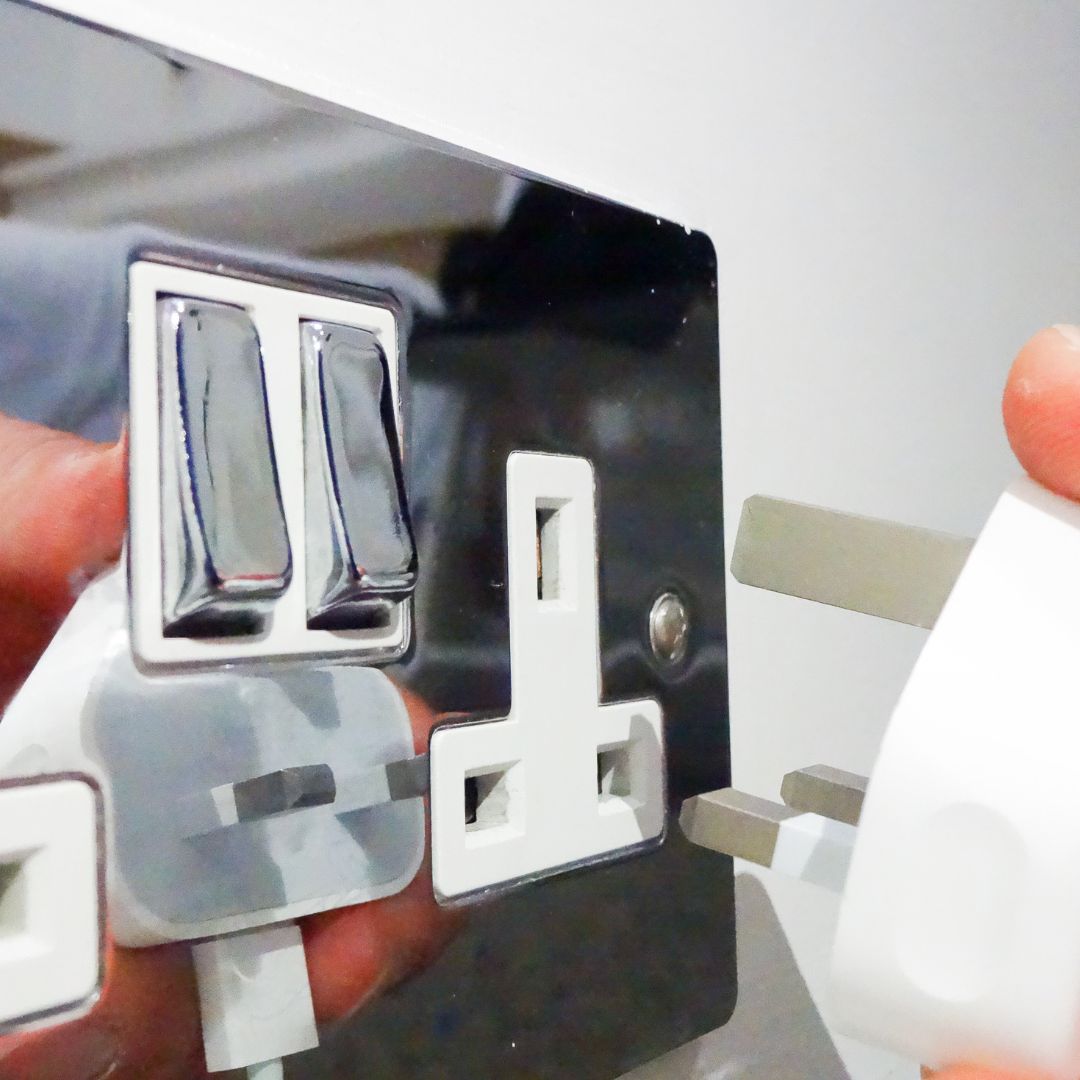
One of the biggest concerns during hot weather is the increased use of electrical equipment. Fans, air conditioning units and other cooling devices are often used for longer periods, placing additional demand on electrical systems.
Older wiring, overloaded sockets, damaged equipment and poorly maintained electrical installations can increase the risk of overheating and electrical fires.
Businesses and building managers should regularly check that electrical equipment is being used safely. This includes avoiding overloaded plug sockets, removing damaged equipment from use and ensuring electrical systems are inspected when required.
How Heat Can Affect Fire Safety Equipment
Fire safety systems are designed to protect people and property, but they still require regular maintenance to perform effectively.
Extreme temperatures can affect certain fire safety equipment, including fire alarms, smoke control systems and other essential safety measures. Components may be exposed to conditions outside their normal operating environment, which is why regular inspections and servicing are important.
Fire doors can also be affected by changes in temperature. Heat can cause some materials to expand or contract, potentially affecting how well a door closes and performs during a fire.
Routine checks help identify issues early and ensure that fire protection measures continue to work as intended.
The Risk of Dry Conditions Around Buildings
Hot weather often means drier conditions, which can increase the risk of fires starting and spreading more quickly. This is particularly important for buildings with outdoor areas, storage spaces or combustible materials located near the property.
Items such as waste materials, packaging, garden furniture and other combustible objects should be stored safely and kept away from potential ignition sources.
For residential buildings, communal areas and balconies should also be considered. Poorly stored items, BBQs and smoking materials can all create additional risks during warmer weather.
Why Fire Risk Assessments Should Be Reviewed
A fire risk assessment is a vital part of keeping buildings safe, but it should not be treated as a one time exercise. Buildings, how they are used and the risks they face can change over time.
Periods of extreme heat may highlight areas that require further attention. For example, a building may experience increased electrical usage, changes in occupancy or additional risks within outdoor spaces.
Reviewing fire safety arrangements regularly helps ensure that any new hazards are identified and appropriate measures are put in place.
Preparing Buildings for Hot Weather
There are several simple steps building owners and managers can take to help reduce fire risks during warmer periods:
- Check electrical equipment and remove any damaged items
- Avoid overloading sockets and extension leads
- Keep escape routes clear at all times
- Ensure fire doors are operating correctly
- Store combustible materials safely and away from heat sources
- Keep communal areas free from unnecessary storage
- Make sure fire safety systems are regularly maintained
Small checks can make a significant difference when it comes to preventing fire risks.
How Fire Safety Professionals Can Help
Managing fire safety during changing weather conditions requires a proactive approach. Professional fire safety consultants and engineers can help organisations understand their risks, review existing measures and provide practical recommendations to improve safety.
From fire risk assessments and fire engineering advice to inspections and improvement works, having the right expertise can help ensure buildings remain compliant and protected all year round.
Staying Fire Safe During the Summer Months
Hot weather is becoming an increasing consideration for building safety across the UK. While warmer temperatures bring opportunities to enjoy the summer, they also highlight the importance of staying aware of potential fire risks.
By maintaining fire safety systems, reviewing risk assessments and addressing issues early, building owners and managers can help keep people safe even during periods of extreme heat.
A proactive approach to fire safety is always the best way to protect buildings, their occupants and the communities around them.