New Cladding Funding for Buildings Under 11 Metres: What Building Owners Need to Know
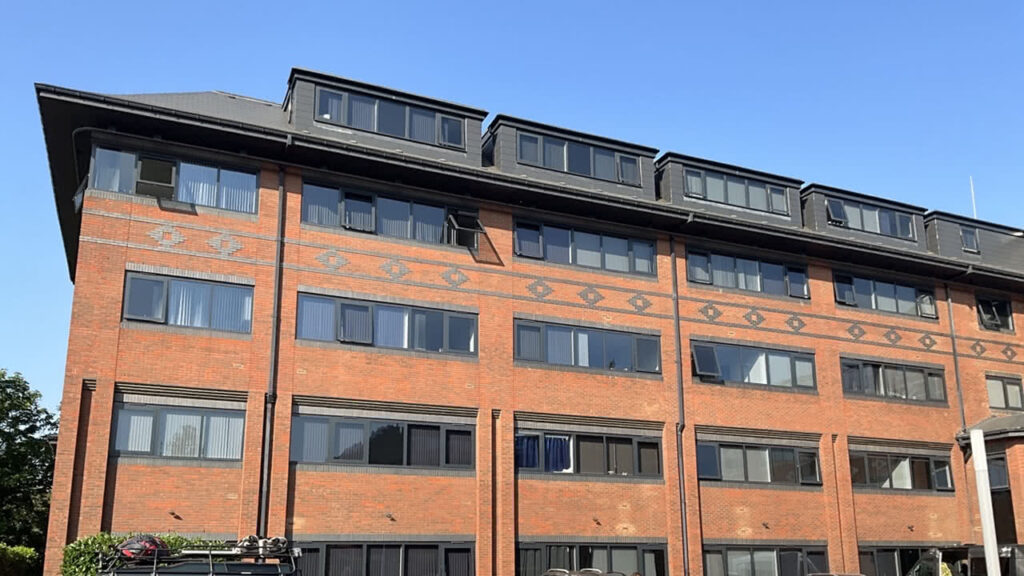
New government funding has opened for eligible residential buildings under 11 metres in England where serious fire safety risks have been identified within cladding and external wall systems.
The funding is being delivered through the existing Cladding Safety Scheme and represents an important change for lower rise residential buildings. Previously, the scheme required buildings to be over 11 metres in height. That requirement has now been removed for this new funding route.
Applications opened on 17 August 2026 and the window is relatively short, closing on Friday 9 October 2026.
For building owners and responsible entities, this means there is limited time to understand whether a building may qualify and make sure the necessary assessments and supporting information are in place.
What Has Changed for Buildings Under 11 Metres?
The new funding is intended to support the remediation of unsafe cladding on eligible multi occupied residential buildings below 11 metres in England.
Importantly, this does not mean every building under 11 metres with cladding will qualify for funding.
The scheme takes a risk based approach, with funding prioritised according to the fire safety risk associated with the building’s cladding and external wall system. Buildings assessed as presenting a high life safety fire risk will be prioritised first.
This places the focus on the actual construction and condition of the building rather than height alone.
Eligible buildings must contain two or more dwellings and the scheme is tenure neutral, meaning both privately owned and social housing buildings can be considered where the funding criteria are met.
Why Building Height Does Not Tell the Whole Story
Height is an important consideration when assessing fire safety, but it is only one part of a much wider picture.
External wall construction can contain several different materials and components, including cladding, insulation, cavity barriers and fire stopping. How these elements have been designed and installed can influence the way fire could spread across or within an external wall.
That means two buildings of a similar height can present very different levels of risk.
Mike Fox, Managing Director at MAF Associates, commented:
“The important shift here is from height towards actual risk. An 11 metre threshold is easy to understand administratively, but fire does not behave differently because a building happens to sit just below a particular measurement.
“There will be lower rise buildings where the external wall construction does not present a serious risk and extensive remediation would not be justified. Equally, there can be buildings below 11 metres where the materials, cavity construction, fire barriers and overall external wall system require much closer attention.
“That is why the FRAEW is so important. The question should not simply be how tall is the building, but what is actually in the external wall, how could fire spread through it, what risk does that create for residents and what action is proportionate to that risk.
“For responsible entities, there is also a practical urgency here. The application window closes on 9 October, and an application cannot simply be submitted on the basis that cladding looks concerning. The technical evidence needs to be there. If there are existing concerns about an external wall system, now is the time to establish whether the building has the necessary assessments and supporting information rather than waiting until the deadline is approaching.”
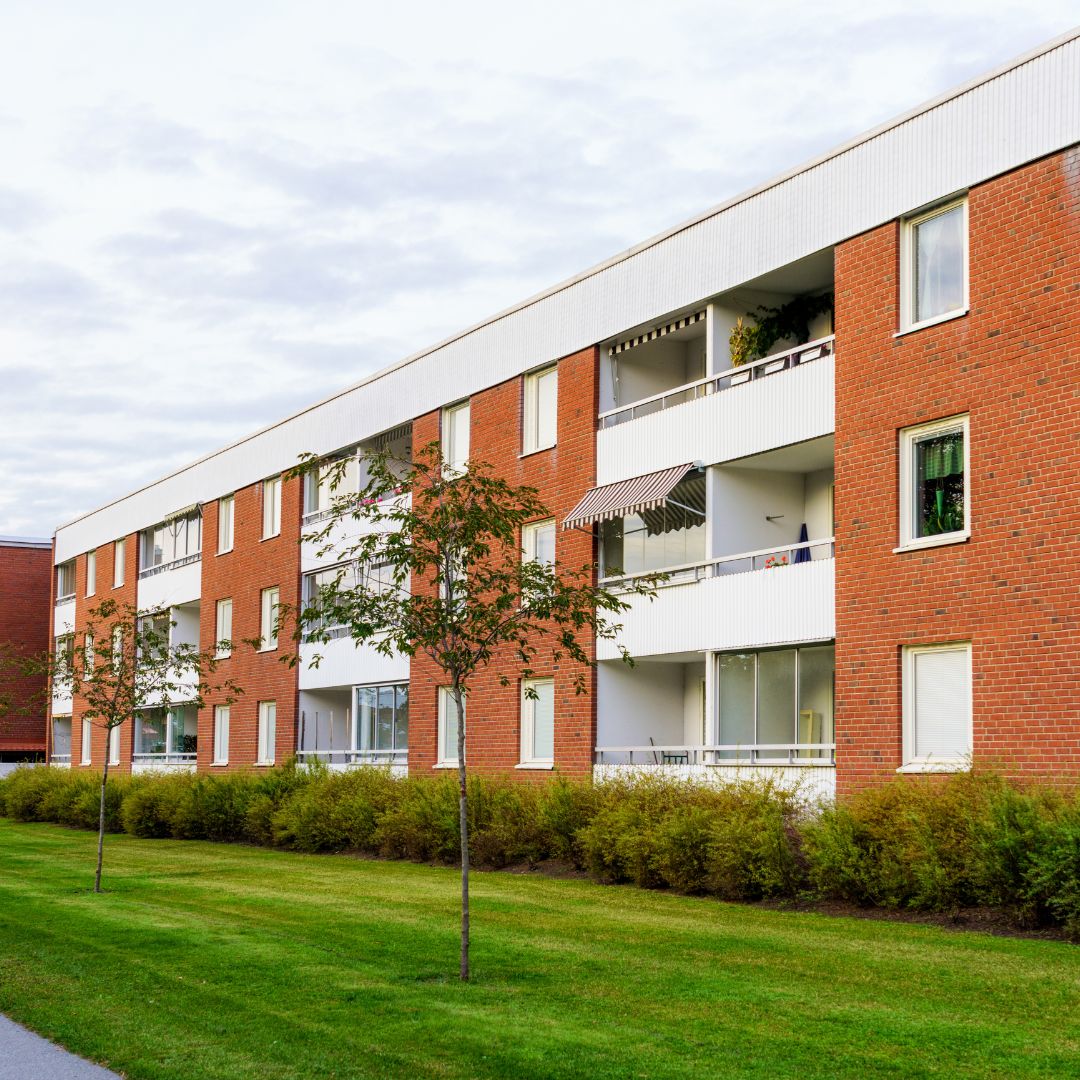
A FRAEW Is Required to Apply
One of the most important requirements for responsible entities considering an application is the need for a Fire Risk Appraisal of External Walls, commonly known as a FRAEW.
An application cannot be submitted without a FRAEW. A Fire Risk Assessment should also be provided where one is available.
The FRAEW must follow the methodology set out within PAS 9980:2022 and is used to assess the fire risk associated with the building’s external wall construction.
Rather than simply identifying whether combustible materials are present, the assessment considers the external wall system more widely. This can include the materials used, how different components interact, the potential for fire spread and the overall risk presented to occupants.
Homes England will review and audit FRAEWs submitted through the scheme to determine whether proposed remediation work is necessary and proportionate.
Does a FRAEW Automatically Mean Remediation Is Needed?
No. The purpose of a FRAEW is to establish the level of risk and help determine an appropriate response.
Finding combustible materials within an external wall does not automatically mean the entire façade needs to be removed and replaced.
The construction of the wall, condition of fire safety measures, potential routes for fire spread and characteristics of the building all need to be considered.
This is why a proportionate approach is important. Where remediation is recommended, the proposed work should address the identified fire safety risk without automatically assuming that the most extensive intervention is necessary.
Which Buildings Will Be Prioritised?
Funding is targeted and meeting the eligibility requirements does not automatically guarantee that funding will be awarded.
Buildings assessed as presenting a high cladding fire safety risk will be prioritised first.
For high risk buildings, valid applications will be progressed in the order they are received, with the date and time of submission determining their position within the funding pipeline.
Medium risk buildings where action is required may also be considered, subject to prioritisation and the availability of funding.
Responsible entities may also be asked whether other routes have been explored before government funding is confirmed. These can include insurance claims, developer contributions and warranty schemes.
Who Can Apply for the Funding?
Applications cannot be submitted directly by individual leaseholders or residents.
The application must be made by the building’s responsible entity or an authorised representative through the Building Remediation Hub.
Residents who are concerned about unsafe cladding should therefore contact the person or organisation responsible for managing fire safety within their building in the first instance.
Where residents or leaseholders are struggling to engage with the responsible entity, Homes England also provides a route for information about the building to be submitted directly to them.
What Should Responsible Entities Do Now?
With the application window closing on Friday 9 October 2026, responsible entities with concerns about external wall construction should establish what information is already available.
This should include checking whether an appropriate FRAEW has been completed and whether the assessment meets the requirements of PAS 9980:2022.
Where the construction of the external wall is uncertain, further investigation may be necessary to understand the materials and systems that are actually present.
It is also worth reviewing existing fire safety documentation, previous surveys, construction information and records of any earlier remediation work.
The key is not to assume that a building either qualifies or does not qualify based purely on its height or appearance. The level of fire risk needs to be properly understood.
How We Can Help With FRAEW Assessments
We provide Fire Risk Appraisals of External Walls in accordance with PAS 9980, supported by wider expertise in external wall safety, fire engineering, intrusive investigations and remediation.
Our approach is focused on understanding the construction of the building, identifying the actual fire risk and providing proportionate recommendations based on the available evidence.
For responsible entities considering an application to the new funding scheme, having the correct technical information in place is particularly important. Applications cannot proceed without a FRAEW, and submitted assessments will be reviewed by Homes England as part of the process.
If you are responsible for a residential building under 11 metres and are unsure about its external wall construction or whether an existing FRAEW is suitable, our team can help you understand the next steps.
Applications for the Buildings Under 11 Metres funding close on Friday 9 October 2026.
Full eligibility criteria, funding information and application guidance are available from the UK Government’s Buildings Under 11 Metres fund guidance.