What Happens After a Fire Risk Assessment Identifies a Problem?

A fire risk assessment is an important part of keeping a building safe. It helps identify potential hazards, assess existing fire safety measures and highlight areas where improvements may be needed.
But what happens when an assessment identifies a problem?
Finding an issue is only the first step. The important part is understanding what the finding means, deciding what action is actually necessary and making sure the right work is carried out.
For building owners, property managers and responsible persons, knowing what happens next can make the process much clearer.
Identifying the Fire Safety Issue
A fire risk assessment may identify a wide range of issues depending on the building, its use and the scope of the assessment.
Some findings may be relatively straightforward. Others may require a more detailed investigation before the right solution can be recommended.
For example, an assessment could identify concerns with fire doors, compartmentation, escape routes, fire stopping or other fire safety measures. It is important not to treat every finding in the same way.
The next step should be to understand the nature of the problem and how it could affect the building and its occupants.
Does Every Finding Require Immediate Remedial Work?
Not necessarily.
Fire safety is about managing risk effectively, rather than automatically carrying out the most extensive or expensive work available.
A professional assessment should help establish the significance of a defect or concern. In some cases, a straightforward repair may be enough. In others, further investigation or specialist fire engineering advice may be appropriate.
This is where experience and professional judgement become particularly important.
The aim is to understand the actual risk and identify a solution that is safe, appropriate and proportionate to the building.
Further Investigation May Be Needed
Some fire safety issues cannot be fully understood from a visual inspection alone.
Existing buildings can contain concealed construction, alterations and materials that are not immediately obvious. Building records may also be incomplete, particularly where a property has changed significantly over time.
Where more information is needed, further inspection or investigation can help establish what is actually present.
This could involve examining areas that are not normally accessible, reviewing available drawings and documentation, or carrying out more detailed surveys.
Getting the facts before deciding on remedial work can prevent unnecessary disruption and help ensure that the recommended solution addresses the real issue.
Developing the Right Solution
Once the problem is understood, the next stage is deciding what needs to happen.
The appropriate solution will depend on the building, the nature of the risk and the way the building is used.
For some issues, this may mean repairing or replacing a specific element. More complex problems may require a wider fire engineering approach to understand how different parts of the building work together.
A good solution should consider the building as a whole rather than focusing on one isolated defect.
This is particularly important in existing buildings, where construction methods, previous alterations and the current use of the property can all influence fire safety.
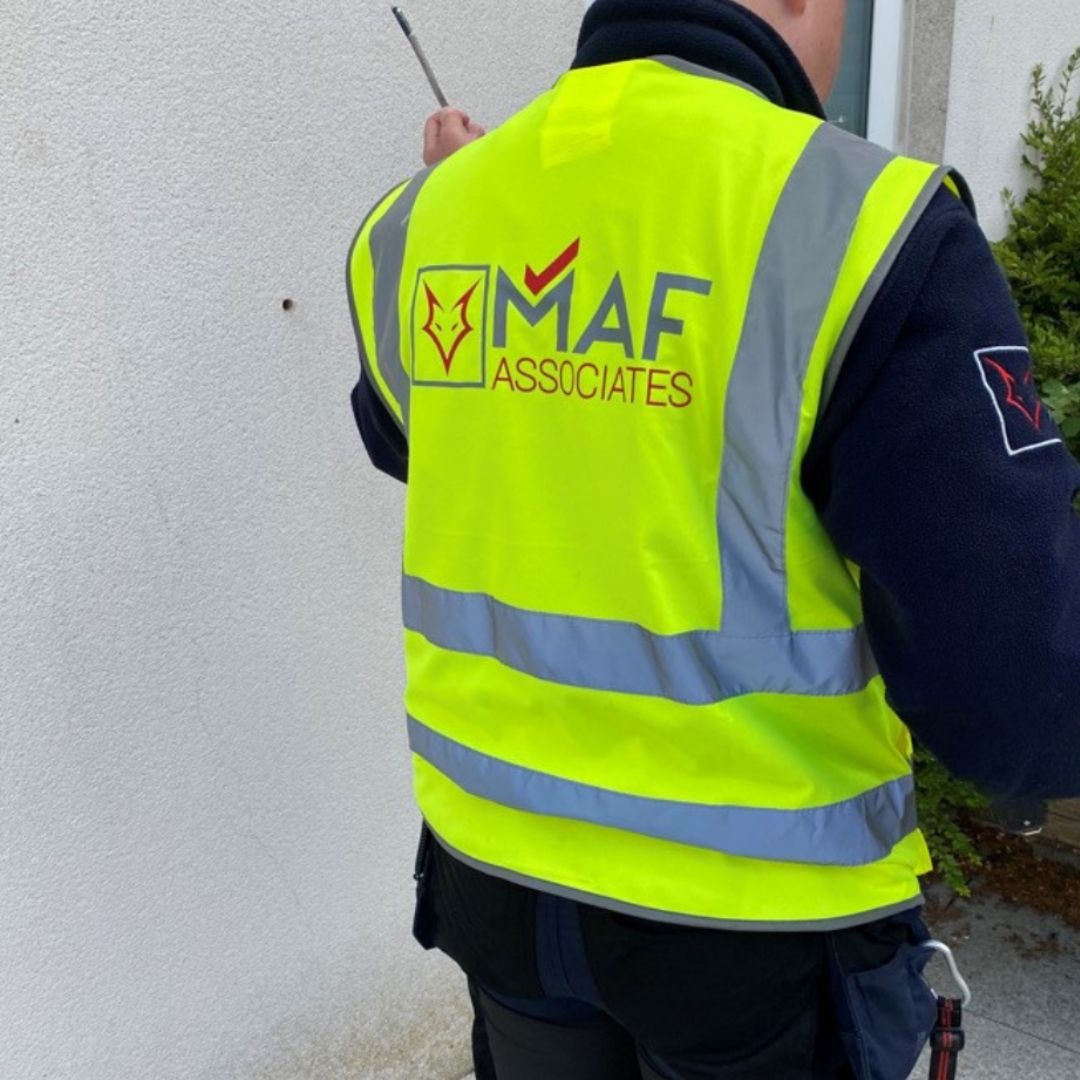
From Advice to Practical Action
One of the challenges for building owners is knowing who should carry out the work once an issue has been identified.
A report may explain what needs to be improved, but turning recommendations into practical action requires the right expertise.
We provide fire safety consultancy and engineering support alongside inspections and assessments, allowing us to help clients understand their options and move towards appropriate solutions.
Where remedial work is required, having experienced professionals involved can also help ensure that the work addresses the original fire safety concern rather than simply treating the visible symptom.
Why Proportionate Remediation Matters
There can be a temptation to assume that the biggest possible solution is automatically the safest one. In reality, fire safety decisions need to be based on evidence and the specific circumstances of the building.
Overly broad remedial work can create unnecessary cost, disruption and delay. At the same time, taking too little action can leave a genuine risk unresolved.
The right approach sits between the two.
By understanding the building properly and assessing how a particular issue affects overall fire safety, it is possible to identify measures that are both effective and proportionate.
What Should Building Owners Do When an Issue Is Found?
If a fire risk assessment identifies a concern, it is important not to ignore it or assume that the recommended action is simply a box ticking exercise.
Instead, building owners and responsible persons should:
- Understand exactly what the assessment has identified
- Establish how serious the issue is and who could be affected
- Seek further investigation where the available information is insufficient
- Consider whether specialist fire engineering advice is required
- Identify appropriate remedial measures
- Make sure any required work is properly completed
- Keep relevant records and review fire safety arrangements when circumstances change
Taking action early can make it much easier to manage fire safety effectively.
Fire Safety Does Not End With the Assessment
A fire risk assessment is not the end of the process. In many cases, it is the point where a clearer understanding of the building begins.
Identifying a problem is useful, but understanding why it exists, how it affects fire safety and what should be done about it is just as important.
We provide a range of fire safety, engineering, inspection and consultancy services to help clients move from identifying a concern to understanding and addressing it.
Whether a building needs further investigation, specialist advice or practical remedial work, the focus should always be the same: understanding the risk and taking the right action to keep people safe.