Why Brick Built Buildings Still Need a PAS 9980 Assessment
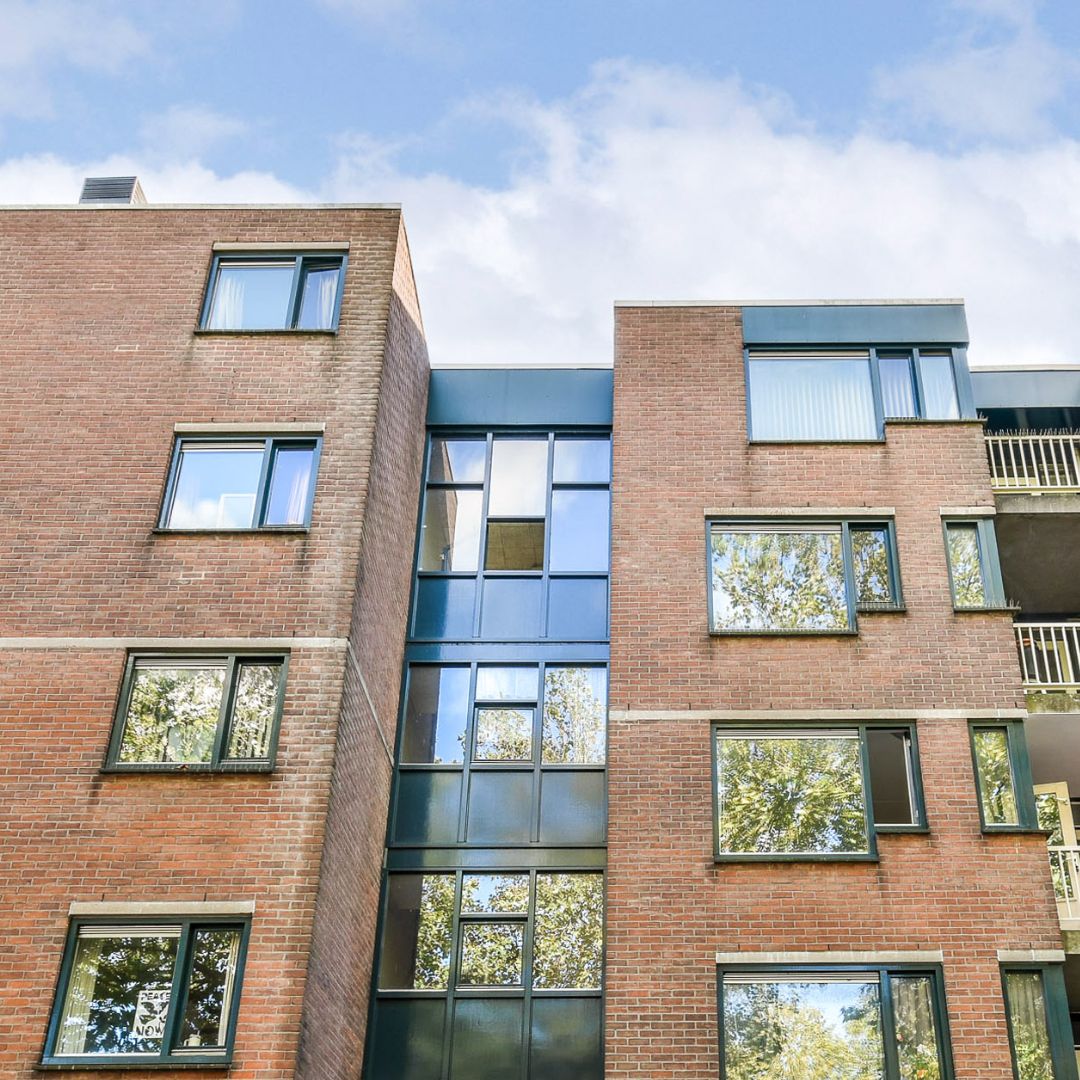
Many building owners and managing agents look at a block of flats and assume the fire risk is low because the building appears to be solid brick or traditional masonry. It looks safe, feels substantial, and often has no obvious cladding concerns.
The problem is that what you can see from the outside is rarely the full story.
Under PAS 9980, external wall fire risk assessments are about understanding the entire wall system, not just the visible finish. This is why even brick built residential buildings may still require a FRAEW and, in some cases, support for an EWS1 form. We regularly help clients assess buildings that appear straightforward on the surface but reveal hidden risks during investigation.
The Outside Does Not Tell the Full Story
Brickwork is often only the external face of a much more complex wall construction.
Behind that outer layer there may be insulation, cavities, timber framing, steel frame systems, missing cavity barriers, poor fire stopping, or materials that do not perform as expected in a fire.
Many buildings that were assumed to be low risk have later been found to contain combustible elements hidden behind a brick façade. In some cases, these hidden details can significantly change how fire spreads vertically or horizontally through the building.
This is why assumptions based on appearance are no longer acceptable.
What PAS 9980 Actually Looks At
PAS 9980 provides the recognised framework for assessing fire risk in external wall systems. It takes a full risk based approach rather than relying on simple visual checks or box ticking.
A proper FRAEW considers:
- The external finish, including brick, render or cladding
- The insulation type and whether it is combustible
- Cavity barriers and whether they are present and correctly installed
- The structural frame behind the façade
- Balconies, attachments and service penetrations
- How fire could spread between floors or compartments
This creates a much clearer picture of real risk and helps duty holders make informed decisions based on evidence rather than guesswork.
Why Intrusive Surveys Are Sometimes Needed
One of the biggest challenges with older residential buildings is incomplete or missing records.
Plans may be outdated, previous refurbishments may not be documented, and assumptions about original construction are often wrong. In these situations, intrusive inspection may be necessary to confirm what materials are actually inside the wall system.
This is not about creating unnecessary disruption. It is about avoiding unsafe assumptions.
Without accurate information, a fire engineer cannot provide a meaningful PAS 9980 assessment or proportionate recommendations for remediation.
The Link Between PAS 9980 and EWS1
There is still confusion around PAS 9980 and EWS1 forms.
An EWS1 is not a fire risk assessment. It is a market based form used by lenders and valuers to support property sales and remortgaging. PAS 9980, however, is the technical fire risk appraisal used to understand the actual condition and performance of the external wall system.
In many cases, the PAS 9980 assessment comes first, and the EWS1 becomes a secondary step if required by the lender.
This means the key question should not be “Do we need an EWS1?”
It should be “Do we properly understand our building’s external wall fire risk?”
Why This Matters for Building Owners and Managing Agents
An incomplete understanding of external wall construction can lead to major problems later.
These include delays with sales, mortgage issues, insurance concerns, remediation disputes, and potential legal exposure for responsible persons.
A clear and competent FRAEW provides confidence for residents, lenders, insurers, and building owners. It also helps ensure compliance with the Fire Safety Act 2021 and wider building safety responsibilities. MAF Associates offers a full range of services covering external wall safety, EWS1 support, PAS 9980 reviews, and broader fire engineering consultancy to help clients manage these risks properly.
Looking Beyond the Surface
A brick exterior does not automatically mean a low risk building.
External walls are complex systems, and hidden construction details can have a major impact on fire safety. PAS 9980 exists to uncover those risks and provide proportionate, evidence based guidance.
For building owners and managing agents, the safest approach is not to assume, but to assess.
Understanding what sits behind the wall is often the difference between confidence and costly uncertainty.