Winter Fire Safety in Buildings: What Should Property Managers Check?
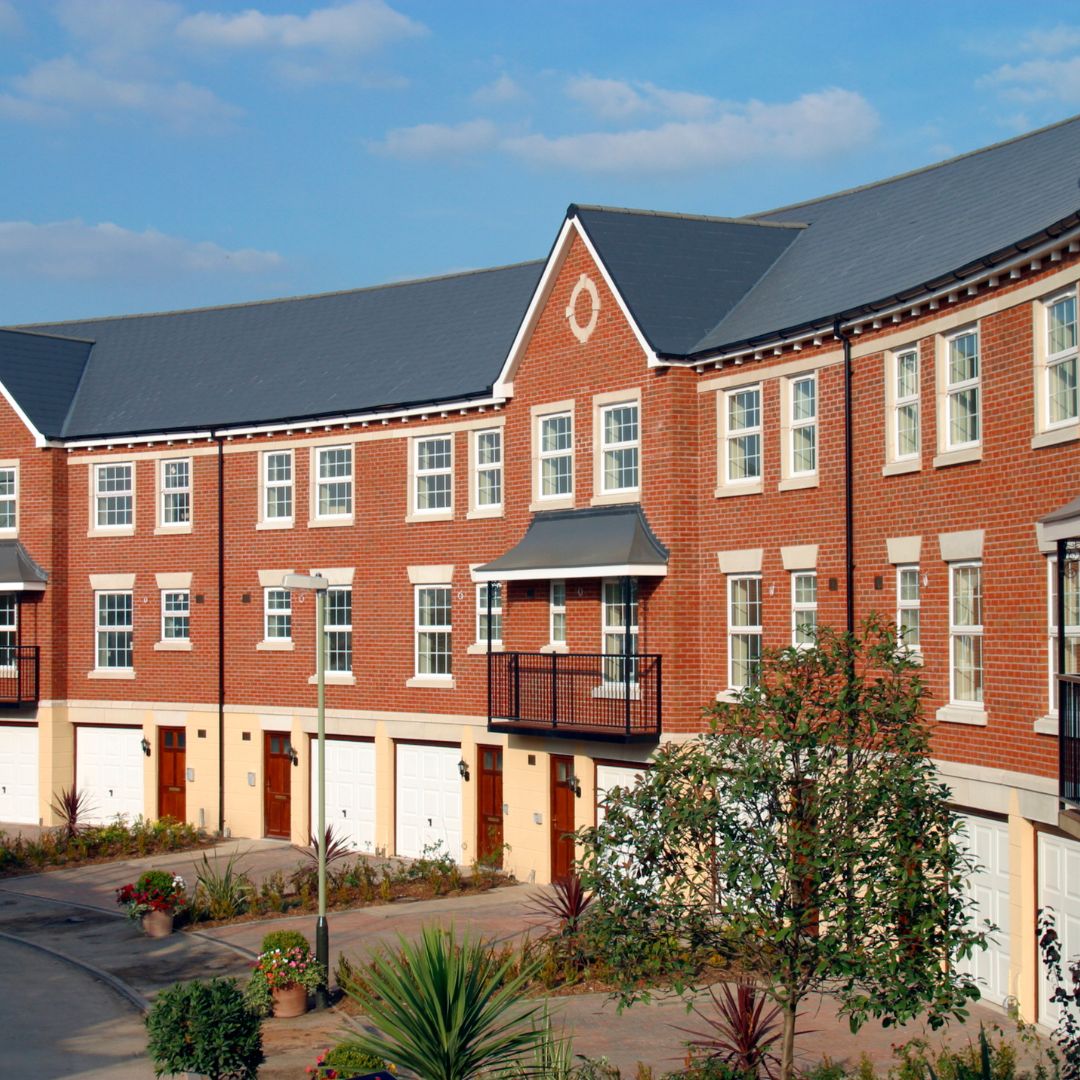
As November arrives, colder temperatures, darker evenings and increased heating use bring new considerations for building owners and property managers across the UK.
While fire safety is a year-round responsibility, the transition into winter can place additional demands on building systems and highlight maintenance issues that may have gone unnoticed during warmer months.
From heating equipment and electrical installations to fire doors and escape routes, there are several areas worth reviewing before winter sets in.
Heating Systems and Fire Safety
As temperatures fall, heating systems are brought back into regular use across offices, apartment buildings and other commercial properties.
Poorly maintained equipment, damaged electrical connections and combustible materials stored too close to heat sources can increase fire risks.
Building managers should ensure that heating installations are appropriately maintained and that plant rooms remain clear of unnecessary storage.
Where heating systems have been modified or replaced, it is also important to consider whether any associated building work has affected existing fire protection measures.
Are Fire Doors Working Correctly?
Fire doors play an important role in limiting the spread of fire and smoke, helping to protect escape routes and maintain fire compartmentation.
During the colder months, changes in temperature and humidity can affect the operation of some doors, particularly where existing defects or poor installation are present.
Common concerns include doors that fail to close properly, damaged seals, faulty self-closing devices and gaps around frames.
Regular inspections can help identify these issues before they compromise the intended performance of a fire door.
Keeping Escape Routes Clear During Winter
With darker evenings and more time spent indoors, maintaining safe escape routes remains essential.
Communal corridors, stairwells and emergency exits should be kept free from obstructions, including deliveries, stored equipment and seasonal decorations.
Emergency lighting also deserves attention, particularly as daylight hours become shorter.
Building managers should ensure that emergency lighting systems are inspected and maintained in accordance with the applicable requirements, so escape routes remain adequately illuminated if normal lighting fails.
Could Maintenance Work Affect Fire Compartmentation?
Winter maintenance often involves work on heating, ventilation, electrical installations and other building systems.
However, installing or replacing services can involve creating openings through fire resisting walls and floors.
If these openings are not appropriately fire stopped, they may create pathways for fire and smoke to spread between compartments.
Where there are concerns about concealed construction or previous maintenance work, specialist intrusive opening up inspections can help establish the condition of fire protection measures.
Reviewing Fire Safety Before Winter
November provides a useful opportunity for building owners and property managers to review existing fire safety arrangements before the colder winter months.
A suitable fire risk assessment can help identify potential hazards, assess existing precautions and determine whether further action is necessary.
At MAF Associates, our fire safety specialists support building owners and responsible persons with fire risk assessments, inspections and technical advice to help them understand and manage building fire safety risks.
Addressing maintenance concerns early can help ensure buildings remain safe, compliant and prepared for the months ahead.